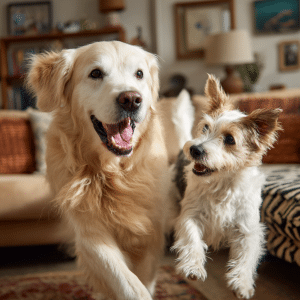
If your puppy gets the “zoomies” just as you’re winding down for the night, you’re not alone. Those bursts of energy are completely normal — your pup’s way of releasing leftover excitement before rest. But learning how to tire out a puppy before bed can transform bedtime from chaos into calm.
Evening energy spikes often happen because puppies nap too much during the day, eat too close to bedtime, or simply haven’t learned to transition into “quiet mode.” A structured evening routine — light play, gentle training, and comforting rituals — helps your puppy’s body and mind relax naturally.
A calm puppy at night doesn’t happen by chance. It comes from small, intentional habits that build trust and predictability. Here’s how to craft a bedtime rhythm that leads to peaceful sleep — for both of you.
Table of Contents
Why Puppies Need Special Energy Management

Puppies experience intense energy surges throughout the day, but they don’t yet know how to regulate them. Their brains are growing rapidly, and their bodies are still developing balance and endurance.
This is why they’ll often nap hard after short play bursts — and why overdoing activity can make them cranky or overtired. The key is short, gentle sessions that engage their senses without physical strain.
Because growth plates in a puppy’s legs are soft until about 12–18 months (depending on breed), heavy exercise like running or jumping is risky. Controlled play keeps them safe while still providing mental release.
The American Veterinary Medical Association – AVMA – suggests combining light physical activity with brain games to promote natural fatigue and emotional balance.
Evening Energy-Burning Games (Short Sessions)
Think of pre-bedtime play as a gentle cooldown rather than a workout. The goal is to take the edge off energy, not exhaust your pup.
Mini Fetch with Soft Toys
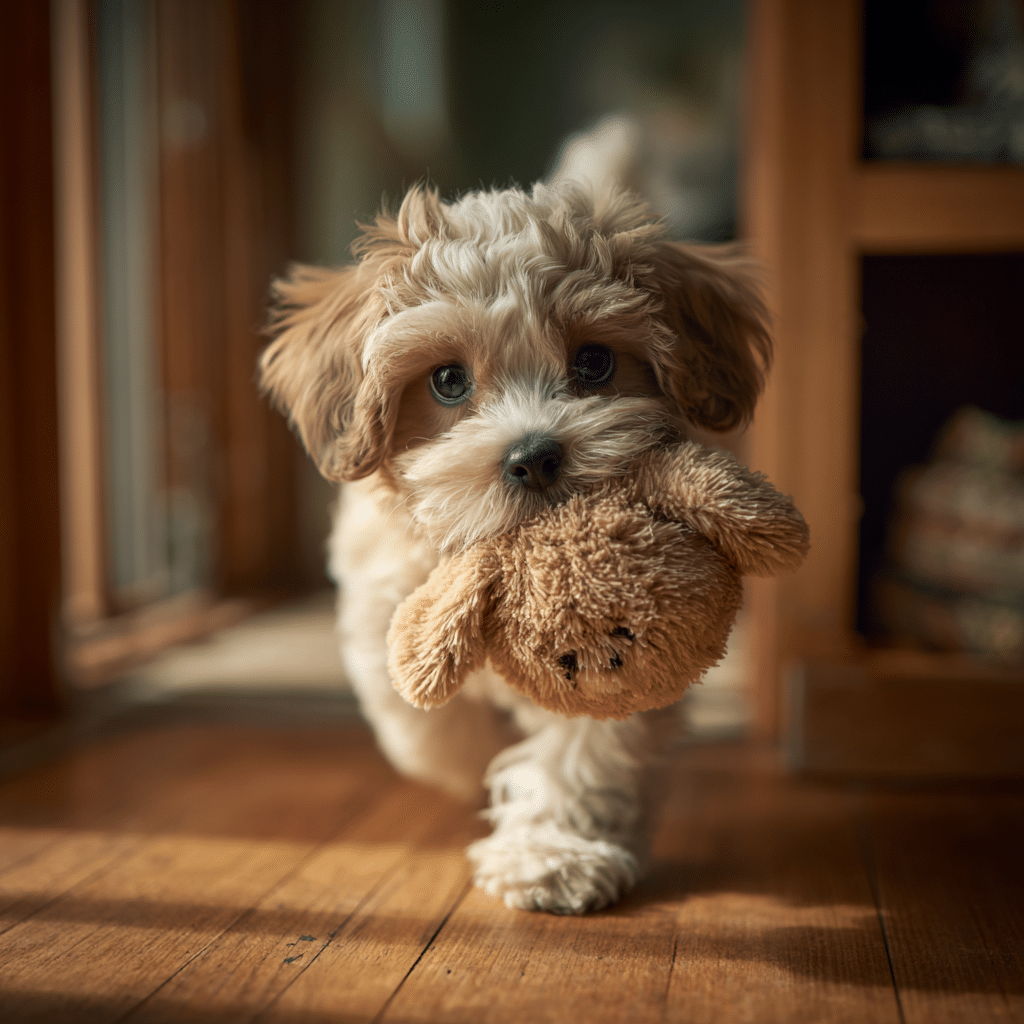
Roll or toss a soft ball down a hallway. Keep throws low and short — no leaping or racing. This light fetch strengthens recall and gives your puppy a simple sense of success.
Reward calm behavior between throws. End before your puppy gets too revved up, then quietly transition into the next calm phase.
Gentle Tug
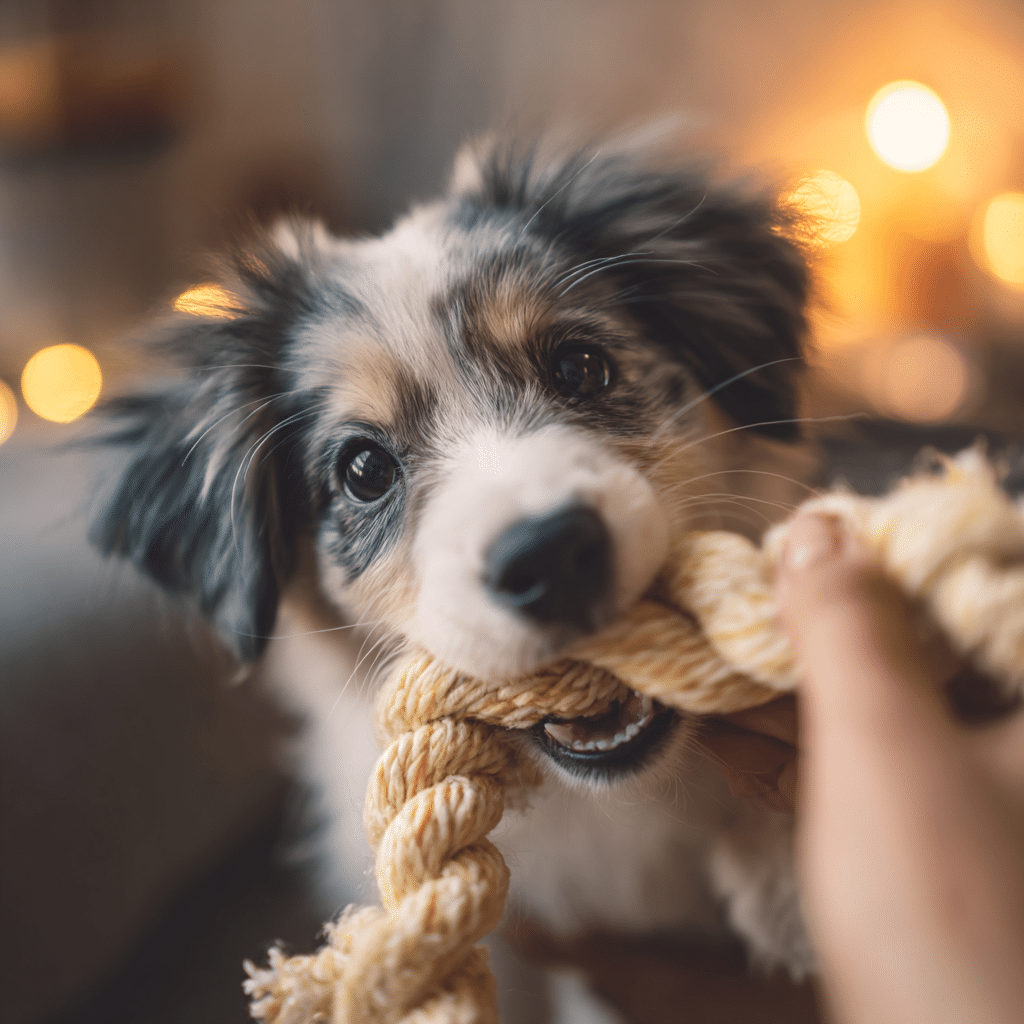
Soft tug games can help burn quick energy safely. Use a lightweight fleece toy and let your puppy “win” sometimes — it builds confidence.
Keep sessions under five minutes, and always end on a calm “drop it” command. As the AKC explains , tug-of-war supports positive bonding when played gently.
Add tiny breaks with treats — a few 3 ingredient dog treats make great low-calorie rewards.
Simple Obedience (Sit, Paw, Short Tricks)
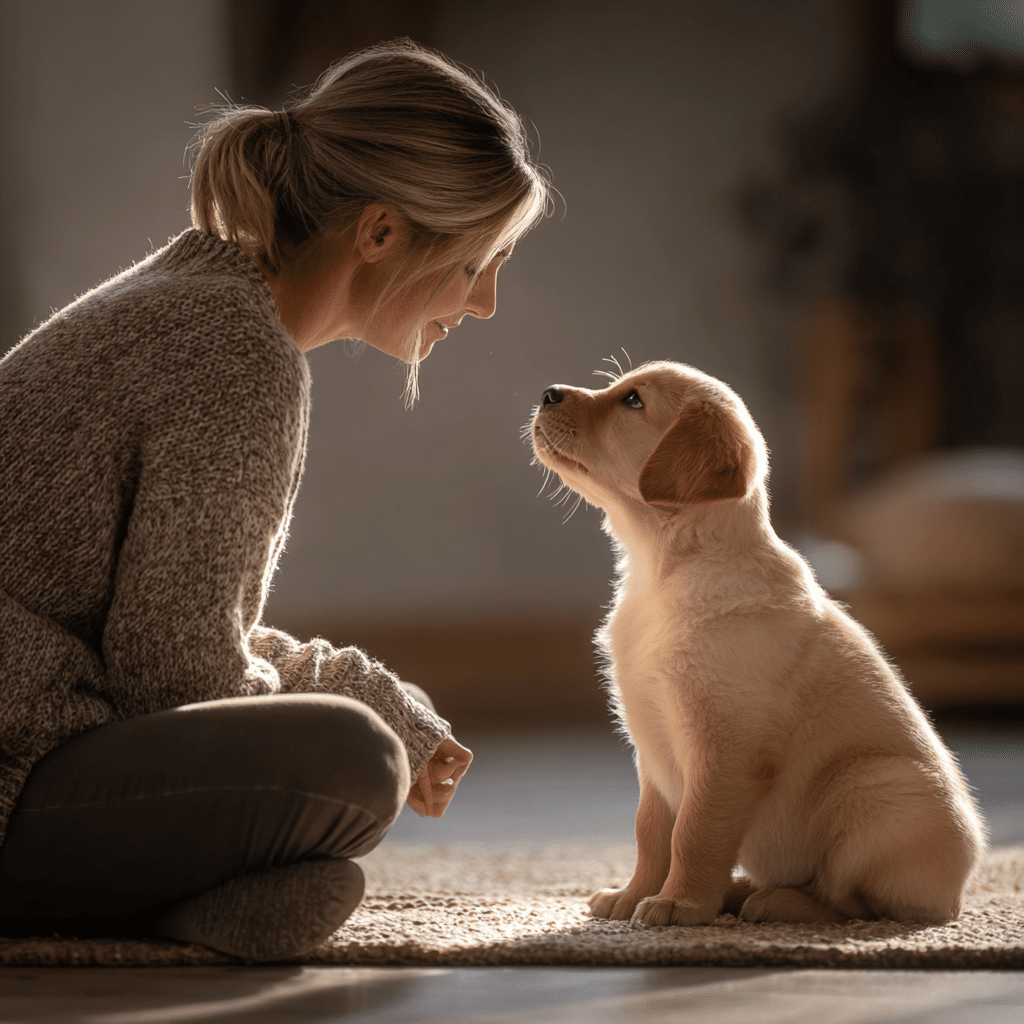
Evening training sessions are a secret weapon for calming puppy energy at night. Obedience work teaches focus and patience while burning mental energy.
Keep it playful: 3–5 minute sessions with “sit,” “lie down,” or “touch.” Mix in short trick sequences (like “spin” or “high five”) to keep it fun.
Calming and Tire out a puppy before bed
Now that playtime is over, shift to quiet, predictable signals that mean “bedtime.” Puppies thrive when the environment mirrors what their bodies should feel — slow, dim, and peaceful.
Lick Mats & Chew Toys (Soothing Activity)
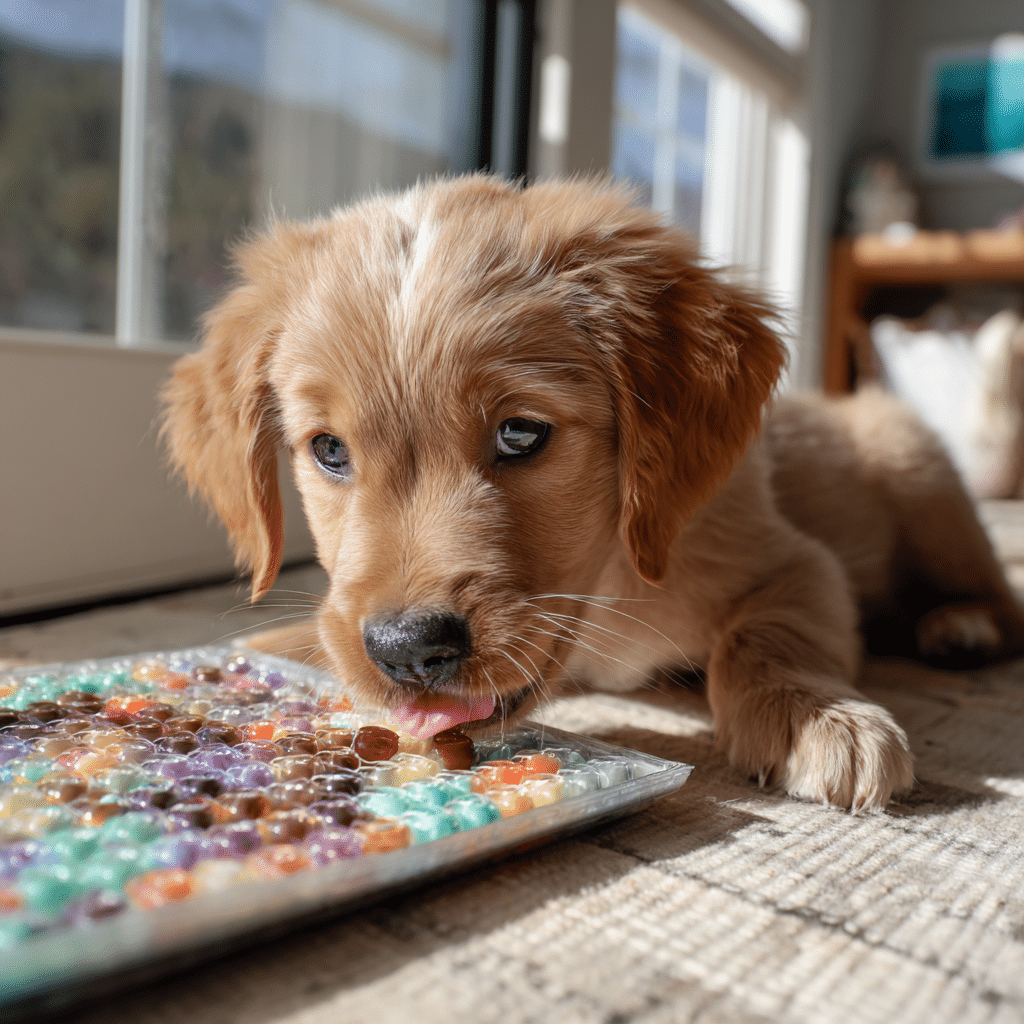
Chewing and licking are repetitive, self-soothing actions that lower heart rate. About 20–30 minutes before sleep, offer a lick mat spread with pumpkin puree, mashed banana, or plain Greek yogurt.
See our lick mat recipes for dogs for bedtime-friendly blends.
Avoid peanut butter or heavy fats at night; light ingredients are easier on the stomach. You can also use teething-safe chew toys for comfort.
💡 Tip: Place the lick mat in the crate or bed to associate the space with calm, positive feelings.
Quiet Bonding Time
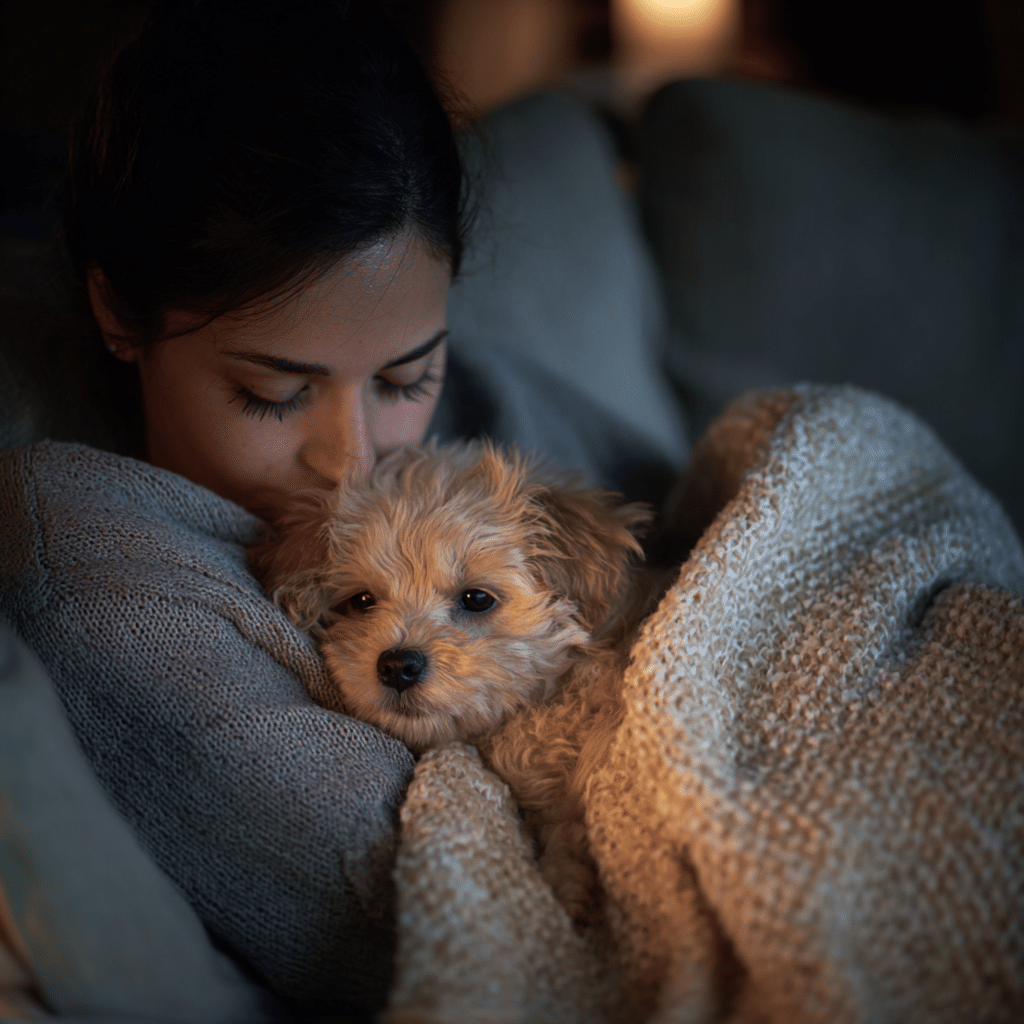
After play and snacks, dim the lights. Sit with your puppy and stroke them gently while speaking softly. Avoid stimulation — no high voices, toys, or sudden movements.
This phase helps transition their nervous system from excitement to rest.
You can use a calming playlist or a white-noise machine to reduce outside distractions. Some puppies respond well to lavender-scented sprays or heartbeat toys that mimic littermate comfort.
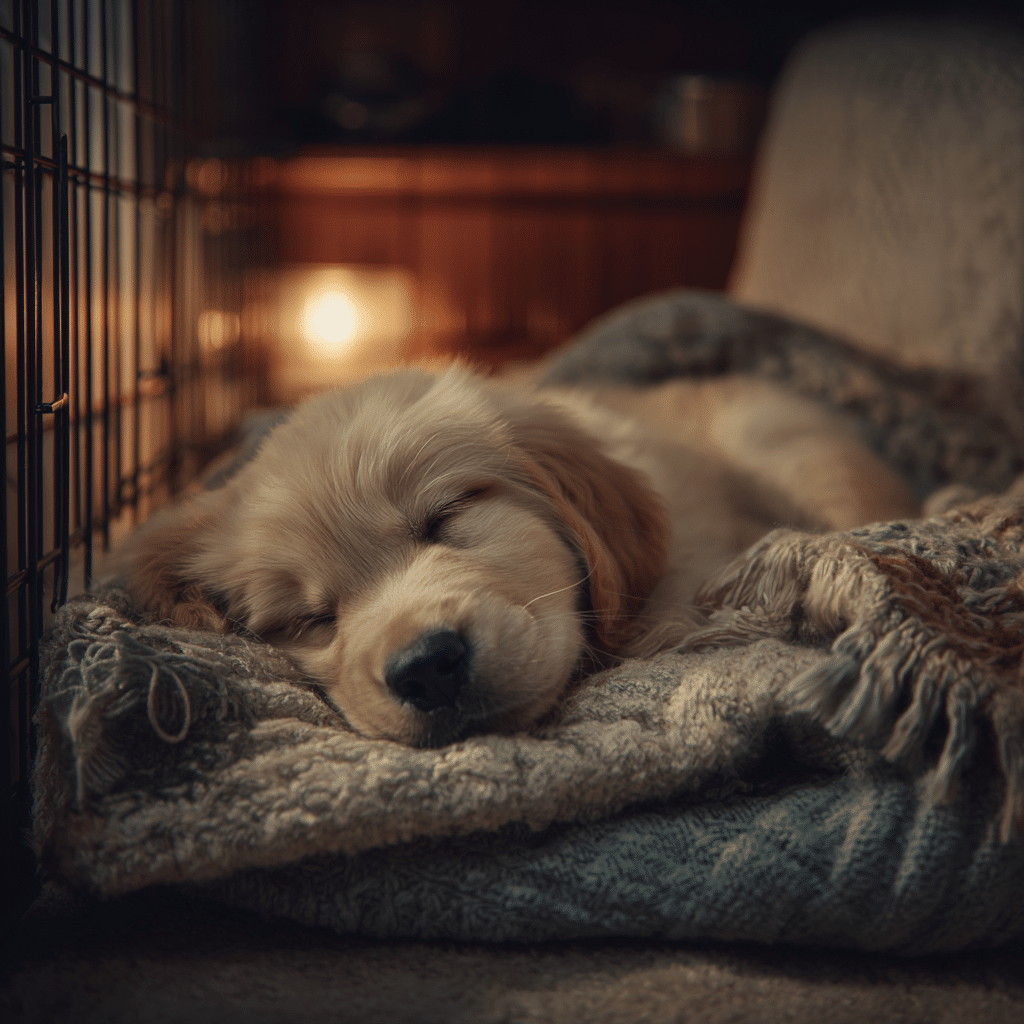
If your puppy sleeps in a crate, make it cozy with a warm blanket and a faint nightlight. The goal: comfort without dependency.
Setting a Consistent Routine
A predictable pattern gives your puppy confidence. Over time, the routine itself becomes a cue for bedtime.
Try following the “Play → Calm → Potty → Sleep” formula every evening:
Play → Calm → Potty → Sleep
| Step | Duration | What to Do | Why It Works |
|---|---|---|---|
| Play | 10–15 min | Light fetch or obedience games | Releases physical energy safely |
| Calm | 10 min | Lick mat, gentle petting | Lowers arousal and heart rate |
| Potty | 5 min | Final bathroom trip outside | Prevents night wake-ups |
| Sleep | — | Crate or bed with soft light | Teaches bedtime association |
Consistency matters more than intensity. Within a week or two, your puppy’s body will start to relax automatically around bedtime.
Avoid overstimulation near lights-out — no roughhousing or chasing. Puppies can’t “switch off” fast, so plan your last play session at least 45 minutes before bedtime.
Extra Calming Tricks (Optional)
- Scent Swap: Leave a t-shirt you’ve worn inside the crate for comfort.
- White Noise: Masks outside sounds that might trigger barking.
- Routine Cue: Use the same phrase nightly (“bedtime” or “go night-night”) to build predictability.
- Feeding Schedule: Feed dinner 3 hours before bedtime to allow digestion.
These gentle cues help your puppy relax naturally instead of resisting sleep.
FAQs
How long before bed should I play with my puppy?
Play 45–60 minutes before bedtime, finishing with calm activities 20 minutes before lights out.
Can I over-exercise a puppy at night?
Yes — over-tired puppies can become hyper. Use short, focused play instead of long walks.
Why does my puppy wake up during the night?
Puppies under 4 months usually need a bathroom break. Hunger or overstimulation may also disturb sleep.
Should I use a crate at night?
Yes, when introduced gradually. It creates safety and structure. Make sure the crate is cozy and quiet.
Conclusion

Learning how to tire out your puppy before bed is about balance, not exhaustion. Gentle games, mental stimulation, and predictable routines teach your pup when to play — and when to rest.
Keep evenings soft, simple, and consistent. Build cues that say “calm,” and your puppy will soon start yawning as soon as the routine begins.
For a full energy strategy, read our main guide — 15 Proven Ways to Tire Out Your Dog .
With time, patience, and love, your puppy will drift to sleep easily every night — leaving you both well-rested and ready for tomorrow’s adventures.