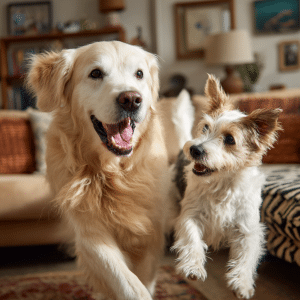
Ever noticed how your dog naps deeply after a 10-minute sniffing session or puzzle toy? That’s because mental stimulation games for dogs can drain energy faster than a long walk.
Physical exercise builds strength, but brain games to tire out a dog create calm. A mentally fulfilled dog barks less, destroys fewer shoes, and focuses better during training.
These enrichment activities tap into a dog’s instincts — hunting, sniffing, solving, and learning — turning simple moments into “jobs” that leave them happily tired.
No expensive gear required. Just some treats, a little creativity, and the joy of watching your dog’s brain light up.
Let’s explore ten fun, proven ways to stimulate your dog’s mind — from simple puzzles to problem-solving challenges.
Table of Contents
Puzzle-Based Games
Dogs love solving problems, especially when treats are the reward. These activities strengthen patience and decision-making skills.
Snuffle Mats & Puzzle Feeders

Few tools engage a dog’s senses like a snuffle mat or puzzle feeder. Sprinkle kibble or treats into the mat folds and let your dog sniff, paw, and forage. It satisfies their natural scavenging drive and promotes calm focus.
Rotate puzzle toys weekly to prevent boredom. You can also try slow feeders at mealtime — they extend eating time and encourage mindfulness.
Need ideas? Check out snuffle mat games for dogs for more fun variations.
DIY Muffin Tin Game
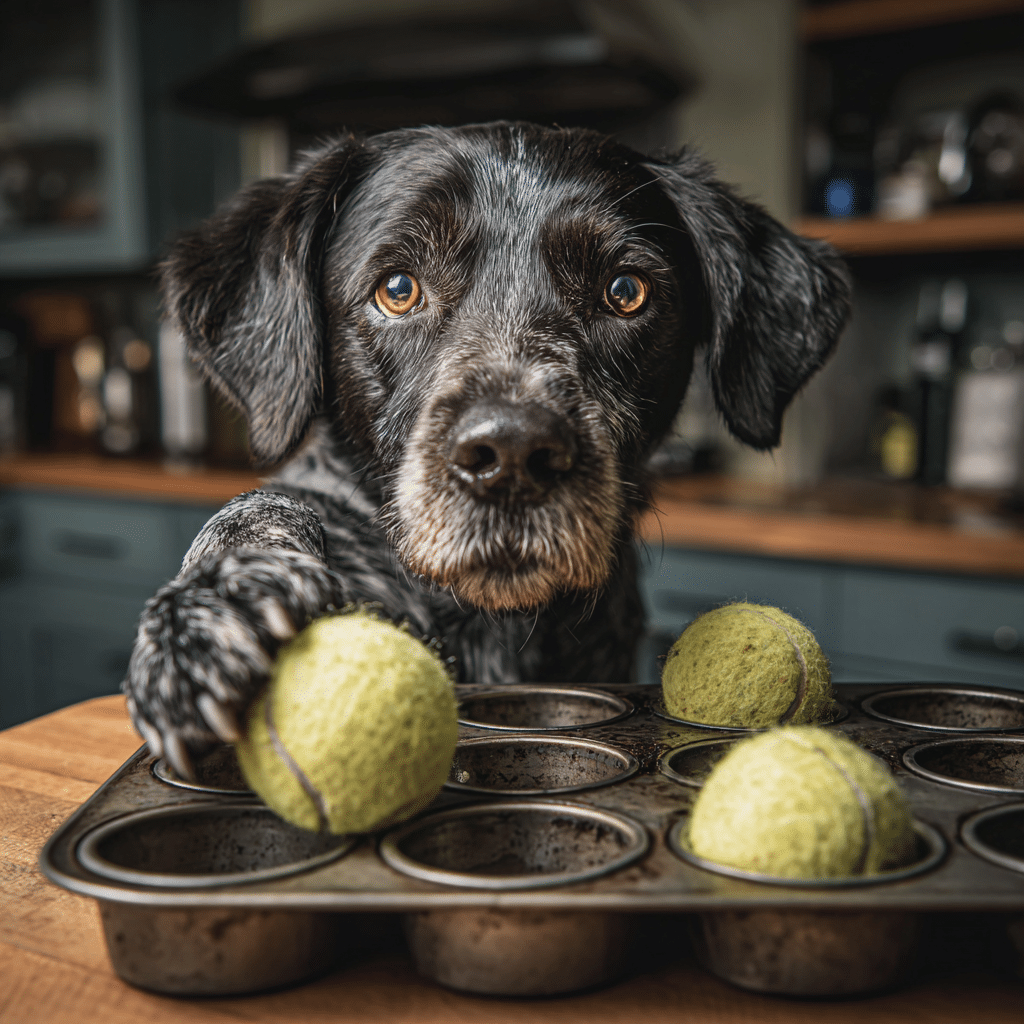
For a simple brain workout, grab a muffin tin, fill a few cups with treats, and cover them with tennis balls.
Your dog must lift or nose the balls aside to reach the snacks. It’s cost-free, easy to set up, and perfect for rainy days or apartment play.
💡 Pro tip: Use a mix of empty and filled cups to increase the challenge.
Scent Work & Nose Games
Your dog’s nose is 40 times stronger than yours — making scent work one of the best mental stimulation games for dogs.
Hide-and-Seek Treats
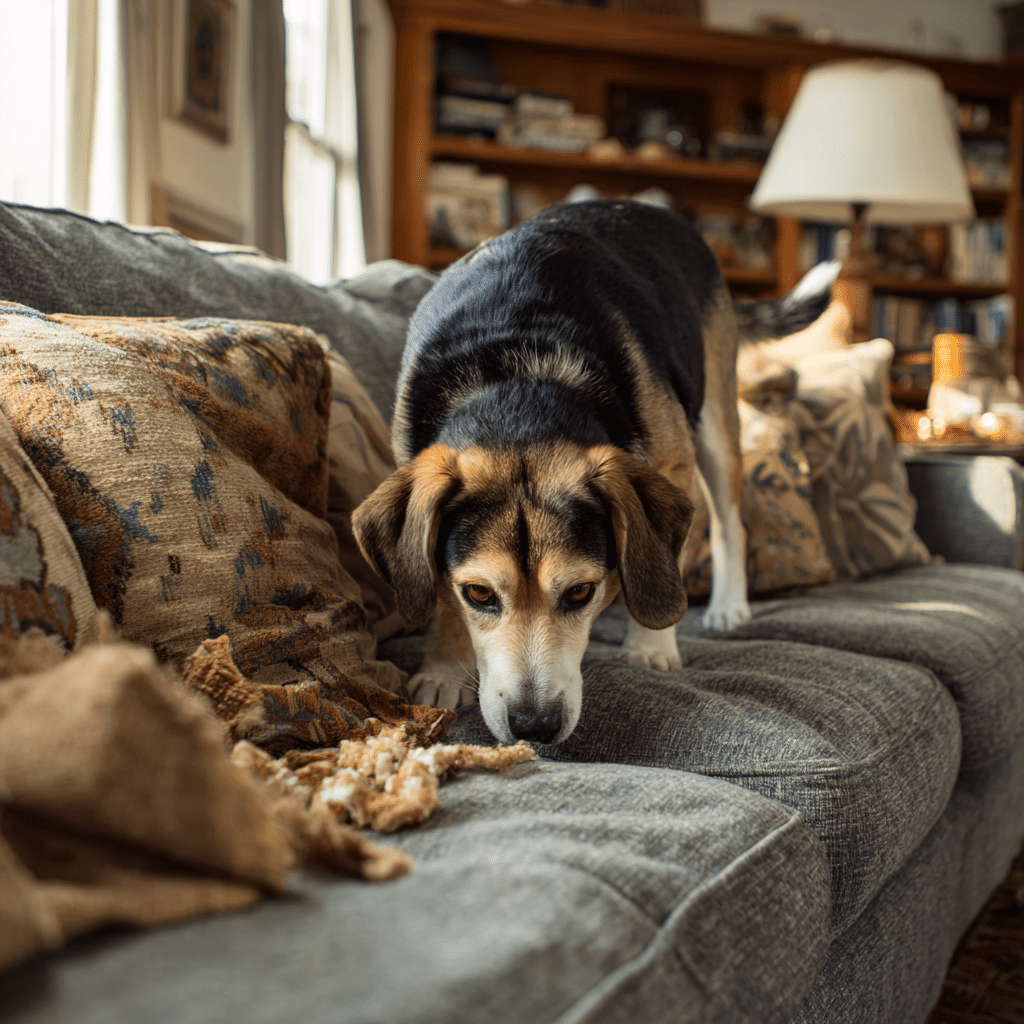
Hide small snacks around the room and tell your dog to “find it.” Start easy, then increase difficulty as they improve.
This builds focus, scent discrimination, and confidence. Use healthy rewards like sweet potato dog biscuits or dehydrated sweet potato dog treats.
The Shell Game

Line up three plastic cups, hide a treat under one, and shuffle them. Let your dog sniff and point out the correct cup with a paw or nose tap.
This “memory and scent” combo strengthens concentration and impulse control.
Find the Toy by Scent
Teach toy names like “rope,” “ball,” or “bear,” then hide one and ask your dog to fetch it by name.
This blends scent tracking with verbal cues — perfect for building vocabulary and problem-solving skills.
Problem-Solving Challenges
When your dog learns to work through frustration and adapt to new puzzles, their confidence skyrockets. These games test persistence and focus.
Frozen Kong Stuffing

Stuff a Kong toy with mashed banana, plain yogurt, or soft treats, then freeze it.
Licking releases endorphins and helps dogs self-soothe. It’s also ideal before bedtime or crate time.
For older dogs, check our senior soft dog treats guide for gentle, chewable fillings.
Interactive Feeders
Interactive feeders force your dog to roll, push, or paw at toys to release kibble. This keeps meals stimulating and slows eating — great for digestion and energy release.
Try combining small feeders with a lick mat recipe for maximum enrichment.
Training + Trick Sequences
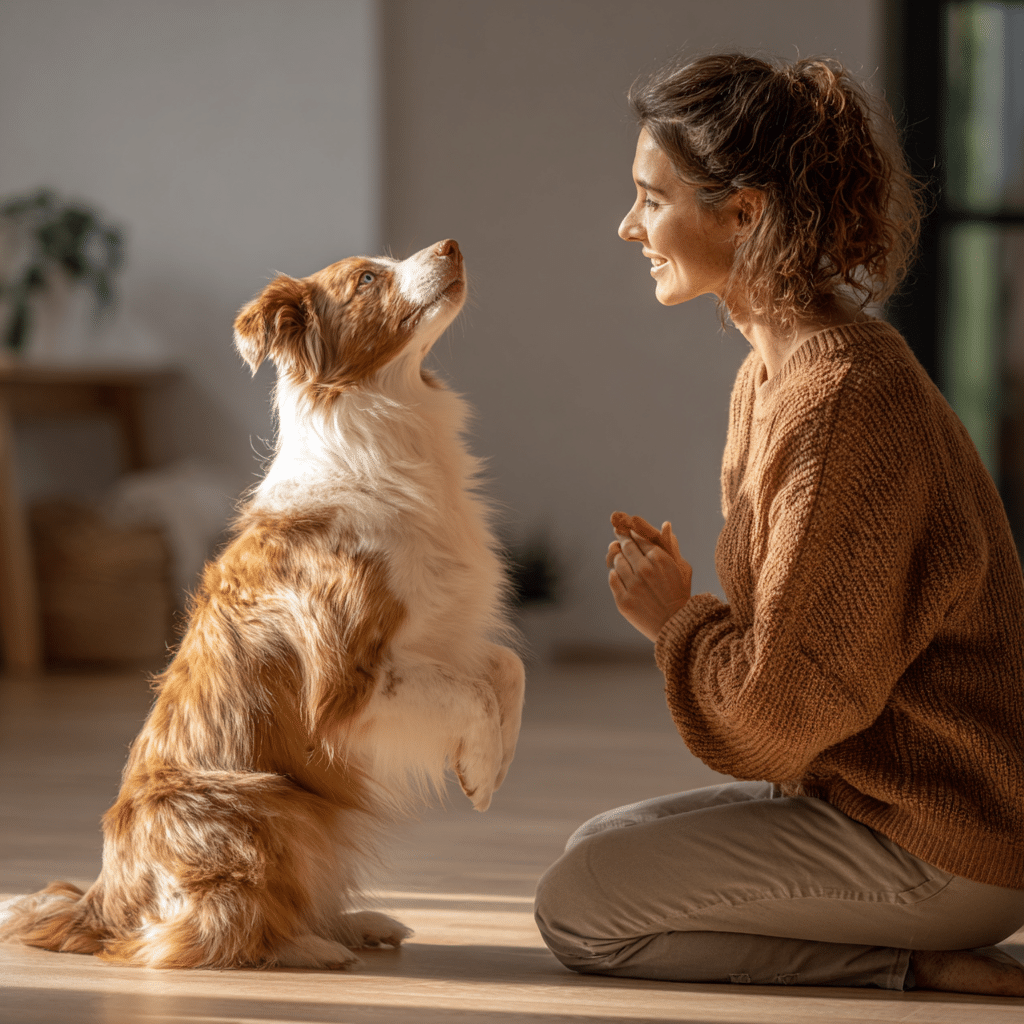
Obedience drills like “sit,” “stay,” and “spin” don’t just teach manners — they’re powerful mental workouts.
Teaching short trick sequences challenges focus and memory. Alternate physical and mental commands (“sit → high five → lie down”) to mimic the 7-7-7 rule — 7 minutes of physical play, 7 of training, and 7 of scent or puzzle work.
As the AKC explains, dogs with structured routines are calmer and more confident overall.
Why Mental Games Tire Dogs Out

The brain is an energy-hungry organ. Concentration, problem-solving, and scent processing can fatigue your dog faster than running laps.
That’s why brain games to tire out your dog work wonders for anxious or high-energy breeds — they use controlled effort, not chaos.
On rainy days or in small spaces, 15 minutes of puzzles or sniffing equals a long walk in mental drain.
When your dog finishes, you’ll notice the same satisfied yawn and stretch as after outdoor play — that’s their nervous system winding down.
FAQs
Can mental games replace walks?
Not entirely. Dogs still need physical movement for health, but mental work can replace short walks when weather or time limit outdoor play.
How long should a dog do mental games?
Start with 10–15 minutes per session, 1–2 times daily. Adjust by your dog’s age, breed, and energy level.
Do mental games help anxious dogs?
Yes. Mental stimulation provides structure and a sense of purpose, easing anxiety and restlessness.
Can I do these games with a puppy?
Absolutely — just simplify puzzles and use soft treats. Pair with the bedtime tips in How to Tire Out a Puppy Safely.
Conclusion
When life gets busy, remember: your dog’s brain is their biggest muscle. Giving it a workout through mental stimulation games for dogs keeps energy balanced, anxiety low, and tails wagging.
For a full-body approach, read our main guide — 15 Proven Ways to Tire Out Your Dog — and combine physical play with these calm, brainy challenges.
After playtime, wind things down with soft snuggles, gentle music, or a lick mat recipe for bedtime relaxation.
Because a tired mind equals a happy heart — and a happy dog means a peaceful home.