If there’s one ingredient that’s earned a permanent spot in my kitchen — both for me and for Mocha — it’s the humble sweet potato. Naturally sweet, packed with vitamins, and easy to prepare, sweet potatoes have become a staple in our home. But can dogs really eat sweet potatoes? And more importantly, how much is too much?
This guide dives deep into everything you need to know about sweet potatoes for dogs — from their nutritional benefits and potential risks to all the safe and tasty ways to serve them. Whether you bake, mash, or dehydrate, this superfood root can be your dog’s best friend (right after you, of course).
So grab a sweet potato or two — and let’s explore how this orange gem can boost your pup’s health, one wholesome bite at a time.
Table of Contents
Can Dogs Eat Sweet Potatoes? Quick Answer
Yes — dogs can safely enjoy sweet potatoes as part of a balanced diet. They’re one of the best natural sources of fiber, beta-carotene, and vitamins A, C, and B6, supporting healthy digestion, strong eyesight, and a resilient immune system.
The secret is how you prepare them.
Sweet potatoes must always be cooked before serving. Raw sweet potatoes can be difficult for dogs to chew and digest, and may even cause intestinal blockages. Cooking breaks down starches, making them easier on the stomach and allowing your pup to absorb all those rich nutrients.
Start with small amounts — a tablespoon for small dogs, a few tablespoons for large ones — and see how your dog responds. Every pup is different, and moderation is key.
Sweet potatoes are also hypoallergenic, making them a great alternative to grains and proteins that often cause allergies. If your dog struggles with sensitive digestion, this veggie might just become their favorite treat.
Mocha, for instance, had itchy skin and frequent tummy troubles until I swapped out processed biscuits for homemade treats made with sweet potato. Within weeks, her coat gleamed, her digestion improved, and those big brown eyes sparkled a little brighter.
Nutrition Benefits of Sweet Potatoes for Dogs

It’s no secret that sweet potatoes are one of the most nutrient-dense foods you can feed your dog. Beneath their bright orange skin lies a powerhouse of vitamins, minerals, and antioxidants that support everything from digestion to heart health.
When cooked, sweet potatoes for dogs become an easily digestible, low-fat source of clean energy — making them ideal for pups with sensitive stomachs, allergies, or those needing a little extra nutrition boost.
Let’s take a closer look at what makes them so special.
| Nutrient | How It Helps Your Dog |
|---|---|
| Fiber | Supports digestion, regulates bowel movements, and helps dogs feel full longer. |
| Beta-Carotene (Vitamin A) | Promotes strong vision, skin health, and immune support. |
| Vitamin C | Boosts the immune system and helps the body recover from stress or illness. |
| Vitamin B6 | Supports metabolism, brain function, and nerve health. |
| Potassium & Calcium | Promotes muscle function and bone strength. |
These nutrients make sweet potatoes an excellent grain-free carbohydrate source, especially for dogs with food allergies or sensitivities. They provide energy without the heaviness of wheat or corn, and their natural sweetness makes them irresistible to most pups.
I often mash cooked sweet potato into Mocha’s dinner for an extra vitamin kick — or bake it into soft biscuits that double as training rewards. For dogs who love a crunch, our Sweet Potato Biscuits are always a winner, while Dehydrated Sweet Potato Treats make the perfect chewy alternative to rawhide.
Sweet potatoes also have antioxidant and anti-inflammatory properties, helping reduce joint inflammation and supporting overall longevity — especially in senior dogs.
If your pup struggles with digestive issues, try adding a spoonful of mashed, plain cooked sweet potato to their meal. It’s a gentle, natural way to keep their tummy calm and their tail wagging.
According to the American Kennel Club, sweet potatoes are safe for dogs when cooked and served plain.
Risks & Precautions
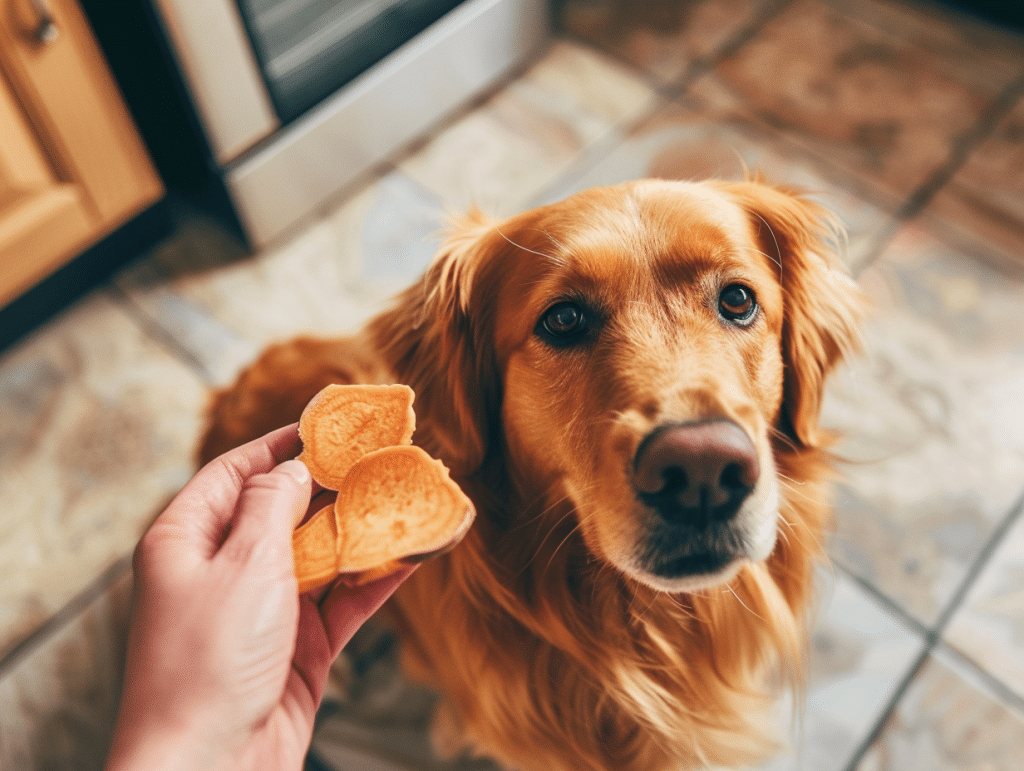
While sweet potatoes for dogs are loaded with goodness, they’re not a free-for-all food. Like any healthy ingredient, moderation and proper preparation make all the difference between a nourishing snack and an upset stomach.
The first rule? Always cook sweet potatoes before serving them to your dog.
Raw sweet potatoes are tough, fibrous, and difficult to digest. They can pose a choking hazard, especially for smaller breeds, and may lead to gastrointestinal blockages. Boiling, baking, or dehydrating breaks down the starches, making them soft and easy to digest while retaining essential nutrients.
Avoid Add-Ons
It might be tempting to share your seasoned dinner leftovers, but dogs don’t need (and can’t safely process) the salt, butter, or spices we love. Garlic, onion powder, and heavy oils can cause stomach upset or toxicity. Stick to plain, cooked sweet potatoes only.
Watch the Portions
Even healthy carbs can add up. Too many sweet potatoes may cause loose stools or weight gain, especially for less active dogs. Use these simple portion guidelines:
- Small dogs: 1–2 tablespoons, a few times per week
- Medium dogs: 2–4 tablespoons
- Large dogs: up to ¼ cup
Mind the Sugar Content
Sweet potatoes have natural sugars that, while unrefined, can still affect diabetic or overweight dogs. Always talk to your vet before adding them to a special-needs diet.
Allergies & Sensitivities
Though uncommon, some dogs might react to any new food. Introduce sweet potatoes slowly and monitor for itching, gas, or changes in stool.
When properly prepared, sweet potatoes remain one of the safest and most nutrient-rich vegetables your dog can enjoy — especially compared to rawhide or processed treats. They offer flavor, fiber, and nutrition in every bite, all without unnecessary fillers.
VCA Animal Hospitals caution that too much sweet potato can lead to excess fiber intake or weight gain.
Safe Ways to Serve Sweet Potatoes
Sweet potatoes are incredibly versatile — and when you prepare them the right way, they can fit into your dog’s diet as a snack, meal topper, or long-lasting chew. From soft mash to crunchy biscuits, here are the safest and most delicious ways to serve them.
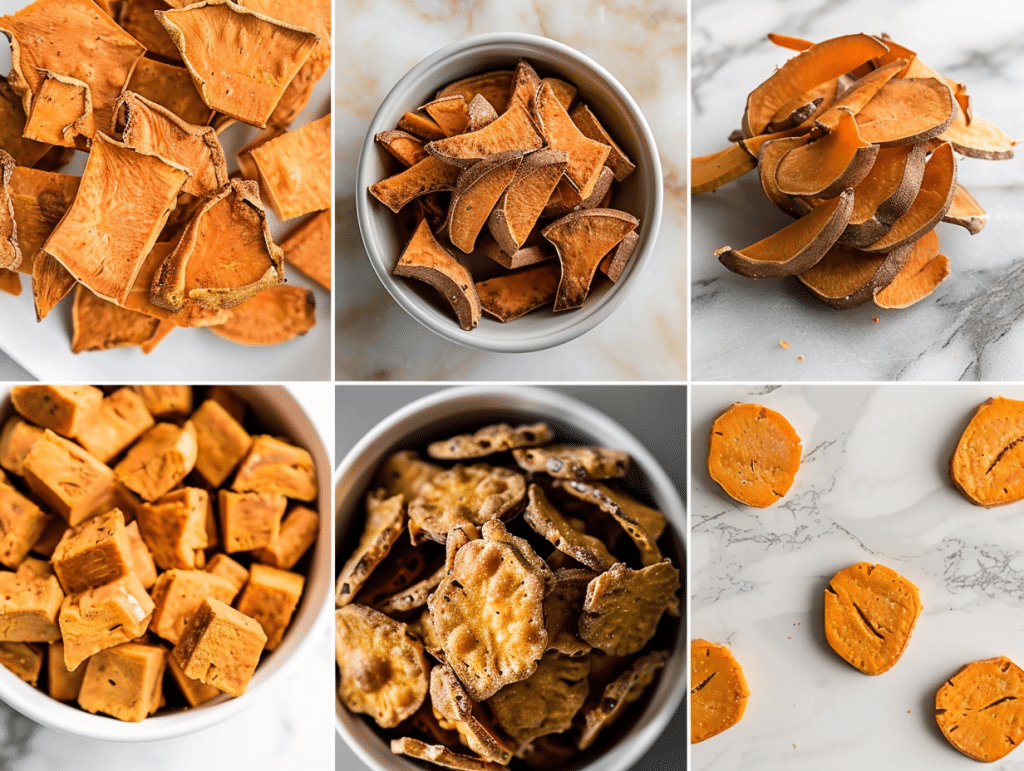
1. With Skins
The skin of a sweet potato is rich in fiber and potassium, both great for digestive and heart health. You can safely leave it on if the sweet potatoes are organic and well-washed.
Slice them evenly and cook until soft. The skin adds a bit of chew and helps retain nutrients that can otherwise be lost during peeling. For dogs with sensitive stomachs, try removing the skin the first time and reintroduce it later.
2. Baked Sweet Potatoes
Baking is one of the simplest and healthiest ways to prepare sweet potatoes for dogs. Bake them whole at 375°F (190°C)for about 45–60 minutes until tender. Once cooled, scoop out the insides and mash them — no butter, salt, or spices needed.
This creamy mash makes a perfect meal topper, a soft filling for biscuits, or even a lickable spoon treat for dogs recovering from tummy upset.
Try pairing it with our Easy dog Treats for a crunchy-and-soft combo that’s always a hit.
3. Sweet Potato Fries for Dogs
Dogs love fries just as much as we do — and luckily, they can enjoy a healthier version! Slice sweet potatoes into long fry shapes, toss them lightly in a teaspoon of olive oil (optional), and bake at 350°F (175°C) for about 25–30 minutes.
The result? Crispy edges, chewy centers, and a naturally sweet aroma that fills the kitchen. These are perfect for training rewards or snack-time fun.
Get the full recipe in our Sweet Potato Dog Fries Recipe.
4. Dehydrated Treats
Dehydrated sweet potato chews are one of the most beloved homemade dog treats for good reason. They’re chewy, long-lasting, and a safe alternative to rawhide.
Slice your sweet potatoes into ¼-inch rounds, dehydrate at 135°F (57°C) for 6–8 hours, and you’ll have natural chews that keep dogs happily occupied.
They’re single-ingredient, hypoallergenic, and naturally sweet — perfect for sensitive pups.
See the full how-to in our Healthy Dehydrated Sweet Potato Dog Treats Recipe.
5. Biscuits & Cookies
For dogs that prefer crunch to chew, turn mashed sweet potatoes into biscuits or cookies. They add natural sweetness and moisture while keeping the recipe wholesome.
Combine mashed sweet potato with oat flour and egg for a simple dough, roll out, and bake until golden. These are a great weekend baking project and double as thoughtful gifts for other pet parents.
Sweet potatoes offer flexibility — mash them, bake them, or dry them — every version brings your dog closer to nature’s sweetness without added sugar or preservatives.
They’re proof that simple ingredients can make tails wag the hardest.
FAQs About Sweet Potatoes for Dogs

Is sweet potato ok for dogs?
es, absolutely. Sweet potatoes are one of the healthiest, most dog-friendly vegetables around. They’re packed with fiber, beta-carotene, and vitamins A, C, and B6, which help support digestion, skin health, and immunity. Always serve them cooked and plain — no salt, oil, or seasoning.
They’re gentle enough for dogs with sensitive stomachs and even serve as a great carbohydrate substitute for pups with grain allergies.
What is the healthiest vegetable for dogs?
Sweet potatoes rank high, but other dog-safe veggies include carrots, pumpkin, broccoli, and green beans. Each offers different nutrients — carrots for dental health, pumpkin for digestion, and green beans for weight control.
Sweet potatoes, however, stand out for their fiber and antioxidant content, helping maintain gut health and immune strength.
Is sweet potato a laxative for dogs?
In moderation, yes — the dietary fiber in sweet potatoes acts as a gentle, natural laxative that helps relieve constipation. It regulates bowel movements and improves stool quality.
However, feeding too much can lead to loose stool. Start small — 1 tablespoon for small dogs, 2–4 tablespoons for larger ones — and increase gradually if needed.
Conclusion: A Simple Superfood Dogs Love

When it comes to wholesome, heartwarming food for dogs, few ingredients shine brighter than the humble sweet potato. It’s nature’s way of giving your pup a treat that’s both nutritious and comforting — rich in fiber, vitamins, and natural sweetness.
From baked biscuits to chewy dehydrated slices, sweet potatoes fit beautifully into every dog’s lifestyle. They’re safe, satisfying, and a perfect alternative to processed treats or rawhide chews.
For Mocha, sweet potatoes are more than just food — they’re a love language. Every slice I bake, boil, or dehydrate is a tiny reminder that good health and joy can come from the simplest things.
If you’re ready to start experimenting, explore the delicious, vet-approved recipes below. Each one offers a unique way to share the sweet potato goodness your dog will adore.
Sweet potatoes prove that the best ingredients for your dog are often the ones you already have at home. Simple. Pure. Full of love.
Because every wag, lick, and happy crunch starts with something you made — from the heart.